
 Human Rights & Labour Standards
Why It Is Important
Respect for human rights is embedded into every aspect of our operations and long-term value creation. Going beyond compliance, it reflects our fundamental principles and guides our interactions across the value chain with employees, contractors, suppliers and stakeholders. This commitment ensures dignity and fairness for all, strengthening organisational resilience while safeguarding our reputation and reinforcing our position as a responsible brewer, aligned with our long-term ESG commitments.
Our Approach
Human rights management at Carlsberg is guided by our Code of Ethics and Conduct, Human Rights Policy and Supplier Code of Conduct, which apply across our value chain.
Our Human Rights and Labour practices are aligned with internationally recognised standards, including the UN Guiding Principles on Business and Human Rights and the National Action Plan on Business and Human Rights (NAPBHR) 2025 – 2030.
Through these frameworks, we uphold non-discrimination, zero tolerance for forced labour, child protection, freedom of association and collective bargaining, anti-harassment, fair working hours, competitive benefits and wages and a safe and healthy work environment.
This commitment to respecting human rights is further strengthened by our Speak Up platform, which ensures confidentiality and anonymity when reporting violations without fear of retaliation.
Turning Insight into Action: From HLR Risk Assessment to HLR Implementation Roadmap
In 2025, we advanced our human rights agenda by initiating a structured Human & Labour Rights (HLR) Risk Assessment across our manpower-related suppliers, including brand promoters and ambassadors, merchandisers, draught beer service contractors, security personnel, cleaners, cafeteria service providers and other supply chain partners.
Through comprehensive desktop reviews, worker interviews and on-site due diligence, the assessment provided deeper visibility into working conditions, operational practices and suppliers’ readiness in managing HLR. The findings highlighted opportunities to enhance employment practices, strengthen health and safety awareness, improve grievance mechanisms and uplift accommodation standards, while reinforcing the strong collaboration we have with suppliers in upholding HLR practices.
Guided by these insights, we developed a structured, timebound Human & Labour Rights Implementation Roadmap to drive targeted actions and embed human rights due diligence across our value chain. The roadmap outlines clear quick-fix, short-term and medium-term priorities that focus on continuous improvement and strengthen supplier capabilities in integrating HLR into core operations.
This initiative reflects our commitment to creating a safe, fair and respectful workplace for every individual connected to our business.
Progress/Achievements
We continuously strengthen our human rights practices through the following initiatives:
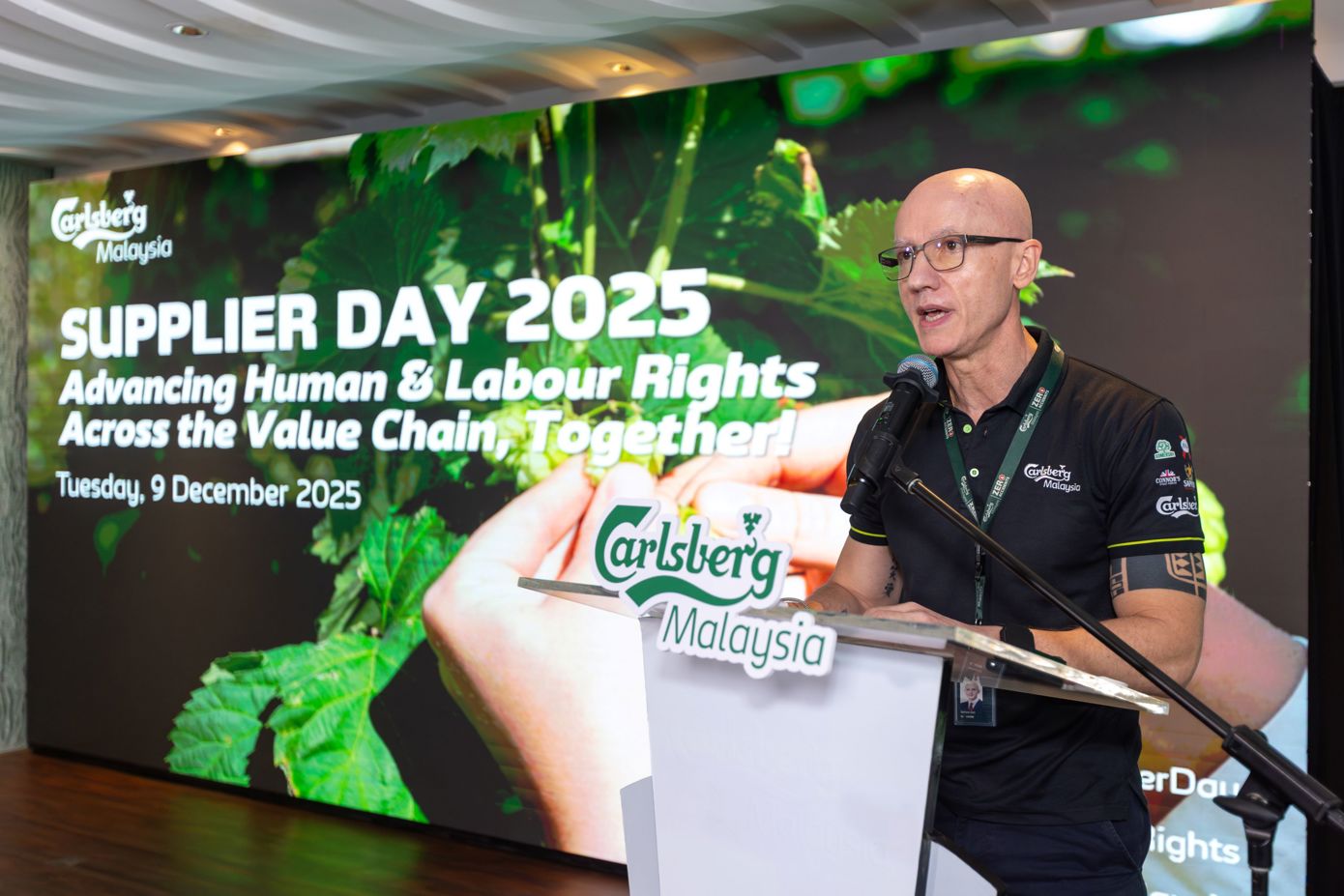
“We are advancing from ‘what we do’ to ‘how we do it’, placing people at the heart of our business,” said Stefano Clini, Managing Director of Carlsberg Malaysia.
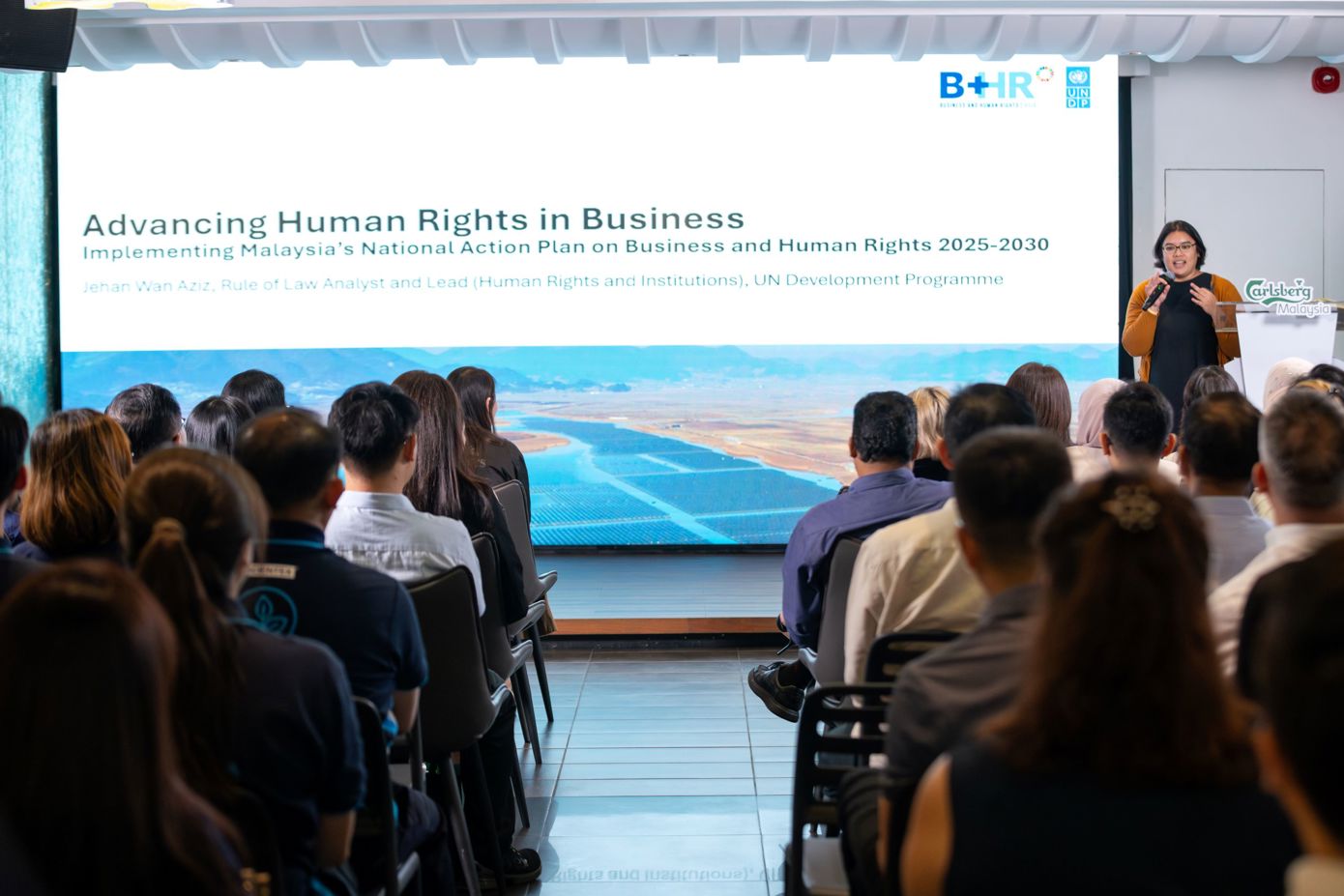
Industry insights were further strengthened through expert perspectives from the United Nations Development Programme (UNDP).
Advancing Human and Labour Rights Together with Our Suppliers
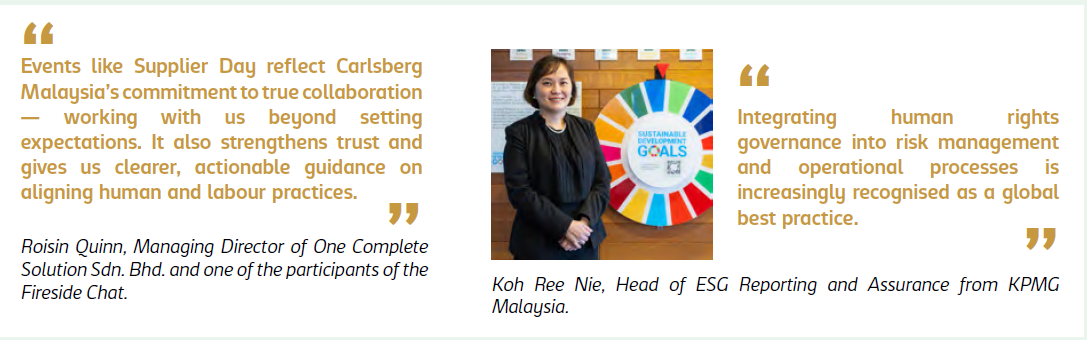
Our second annual Supplier Day, themed ‘Advancing Human & Labour Rights Across the Value Chain, Together!’ , was held in conjunction with International Human Rights Day on 9 December 2025 and aligned with Malaysia’s NAPBHR 2025– 2030. In total, 66 suppliers from 29 companies attended this event that featured speakers from the United Nations Development Programme (UNDP) and KPMG Malaysia. Industry insights were strengthened by expert perspectives on how we can all play a constructive role in embedding HLR into everyday decision-making and the business ecosystem in Malaysia. Also on the agenda was a Fireside Chat, a platform for open dialogue, where suppliers shared how these HLR principles come to life in everyday operations. Insights from their sharing and experiences remind us that progress is achieved through partnership, transparency and a shared commitment to the people who are part of our value chain.
97% of Supplier Day participants reported an increased understanding of HLR practices, indicating the effectiveness of the engagement and capability-building efforts.
As part of our commitment to responsible sourcing and HLR practices, we introduced the HLR Self-Assessment Framework and Supplier Starter Kit (refer to the next page) to guide our suppliers in embedding human rights standards into their operations. The day also featured awareness talks, expert insights and supplier sharing sessions, deepening collective understanding and collaboration, as well as aligning strategic priorities and mutual accountability. Suppliers who have adopted the Sedex (Supplier Ethical Data Exchange) membership were acknowledged in a Supplier Appreciation session as a positive step towards greater transparency and continuous improvement.
HLR Self-Assessment Framework and Supplier Starter Kit
-
The Self-Assessment Framework is a structured and fundamental survey to assess suppliers’ current level of readiness and maturity in implementing human rights standards within their operations. It comprises 15 questions covering key areas, such as fair wages, working hours, occupational health and safety, non-discrimination and grievance mechanisms. Responses will be scored accordingly, helping identify gaps for improvement and determine where support may be needed. This will form a baseline for the development of further action plans.
-
The Supplier Starter Kit is a practical set of templates and checklists designed to support suppliers implementing HLR into their own operations. This includes accommodation inspection tools, training records, grievance logs, recruitment agency due diligence, disciplinary frameworks and compliance with statutory requirements, such as the Workers’ Minimum Standards of Housing, Accommodations and Amenities Act 1990 (Act 446).
Although both tools are currently not mandatory for all suppliers, they represent an integral first step in a longer-term journey to systematically embed HLR practices throughout our value chain.
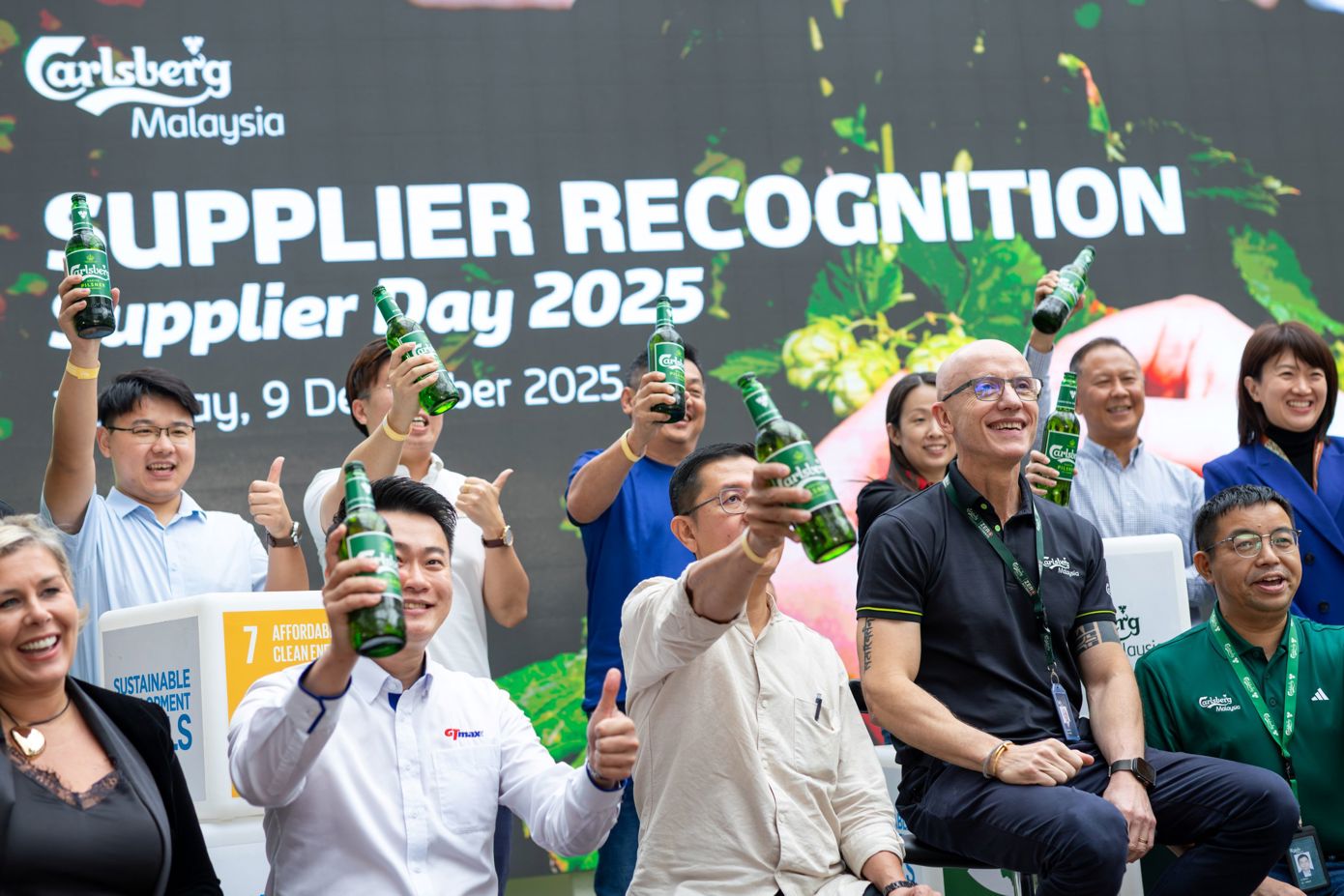
It is a shared commitment between Carlsberg Malaysia and stakeholders like our suppliers when it comes to upholding human rights in line with international standards.
Strengthening HLR in the Workplace
We are guided by the Carlsberg Group Code of Ethics and Conduct, Standard Operating Policies and Procedures (SOPP) and GCP framework to embed HLR into our daily practices. Additionally, following the Human Rights audit in 2024, we completed a series of meaningful improvements to further strengthen our HLR practices across the organisation in 2025. Key enhancements included:
-
Tightening documentation and decision‑making processes in recruitment to ensure fair and transparent hiring
-
Reinforcing compliance with the enhanced Brand Promoter Manual
-
Expanding Speak Up awareness and communication, along with its confidential channels to encourage early resolution of concerns.
-
Strengthening workplace well-being through leadership capability‑building programmes that promote trust, transparency, accountability and inclusive leadership.
To further enhance open communication and employee engagement, we expanded open dialogue platforms, such as Open Forums, Jom! Breakfast with Leaders sessions and union engagement sessions in creating opportunities for cross-functional feedback and reinforcing a stronger sense of belonging across the organisation.
These efforts support fair treatment, non-discrimination and equal opportunity, creating an environment where employees can contribute meaningfully, feel free to speak their minds and be empowered to thrive.
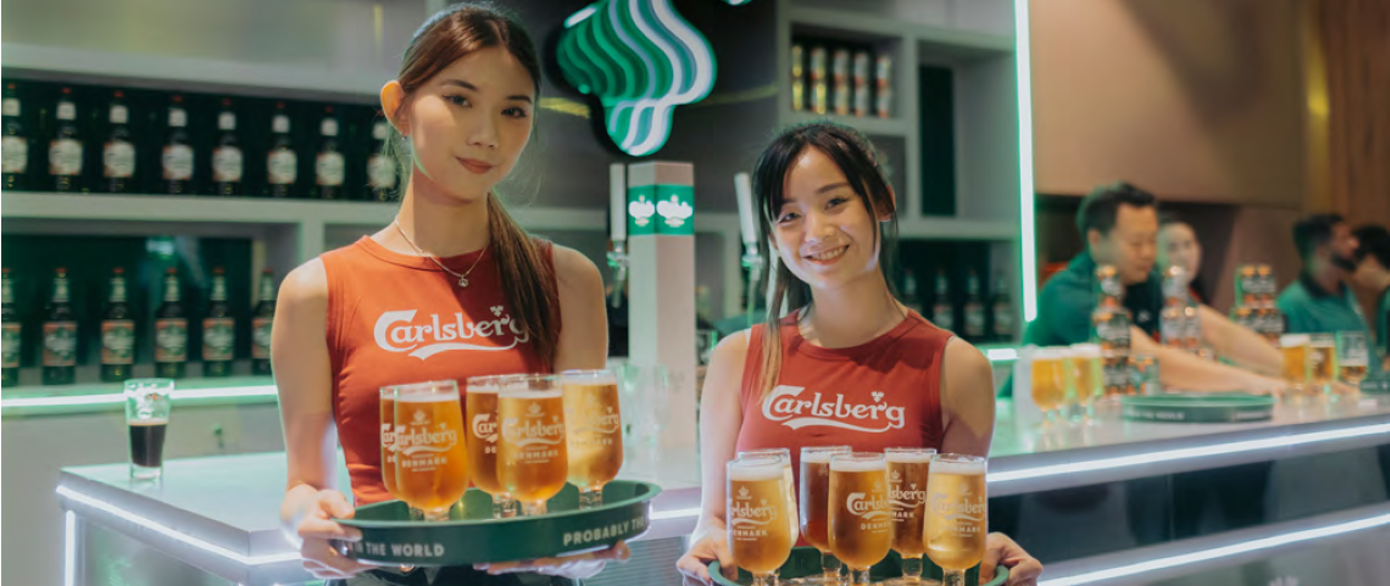
Behind every great brand experience are our Brand Promoters. Through the refreshed Brand Promoter Manual and Agency Accreditation framework, we continue to uphold strong human and labour rights standards while ensuring a safe, fair and inclusive workplace for all.
Empowering Brand Promoters through Standards and Accreditation
Reaffirming our commitment to respecting human rights and providing a safe, inclusive workplace, Carlsberg Malaysia contributed to the review and enhancement of the Group’s Brand Promoter Manual.
Finalised in May 2025, the updated manual establishes global principles and clear expectations for the deployment of Brand Promoters (BPs), whether directly hired or engaged through agencies, to ensure a safe and inclusive working environment.
Additionally, Carlsberg Malaysia also led the development of the Brand Promoter Agency Accreditation Manual to strengthen governance and accountability among third-party partners. The framework outlines the structured accreditation and due diligence processes for agencies supplying BPs, ensuring full alignment with the Group’s Brand Promoter Manual and applicable local Brand Promoter SOPP. Together, these measures reinforce fair treatment, third-party accountability and a consistently safe and inclusive working environment for all BPs in Malaysia and Singapore.
Key Focus Areas
-
Driving inclusive leadership and open engagement by accelerating leadership development and encouraging communication through initiatives, such as open forums and the Speak Up channel.
-
Creating a supportive and empowering workplace for brand promoters by adhering to the Brand Promoter Manual and implementing an annual Brand Promoter Agency Accreditation process to ensure fair treatment and a safe, inclusive and respectful working environment for all.
-
Advancing the Human & Labour Rights Implementation Roadmap across our operations and value chain by integrating human rights due diligence, strengthening supplier capability and driving continuous improvement in HLR practices.
-
Enhancing employee representation and constructive industrial relations with the establishment of an Executive Union on 3 April 2025, enabling structured engagement, transparent consultation and fair representation of executive employees in line with labour laws and the Carlsberg Group Code of Ethics.
Going Forward
We are strengthening our human rights due diligence by expanding monitoring systems, enhancing training programmes and deepening supplier engagement and collaboration on responsible sourcing and HLR practices.These efforts support continuous improvements under our HLR Implementation Roadmap and reinforce our commitment to upholding global human rights and labour standards across our workplace and value chain.
Central & Eastern Europe and India
-
Azerbaijan
-
Belarus
-
Bulgaria
-
Canada
-
Croatia
-
Estonia
-
Greece
-
Hungary
-
India
-
Italy
-
Kazakhstan
-
Latvia
-
Lithuania
-
Nepal
-
Serbia
-
Ukraine